![Tokimeku Tohoku[Tourism web media of six cities in Tohoku]](https://tohoku-kizunamatsuri.jp/special/en/wp-content/themes/touhokubunkatheme_en/assets/img/logo.svg)
Focusing on business, education, and gourmet topics, I utilize my unique network to report on companies, people, excellent services, and appealing products in the Tohoku region.
Tohoku Diary
Aomori City / Jomon Mysteries and Massive Ruins: A Journey to Contemplate the Eons.
2025/11/27
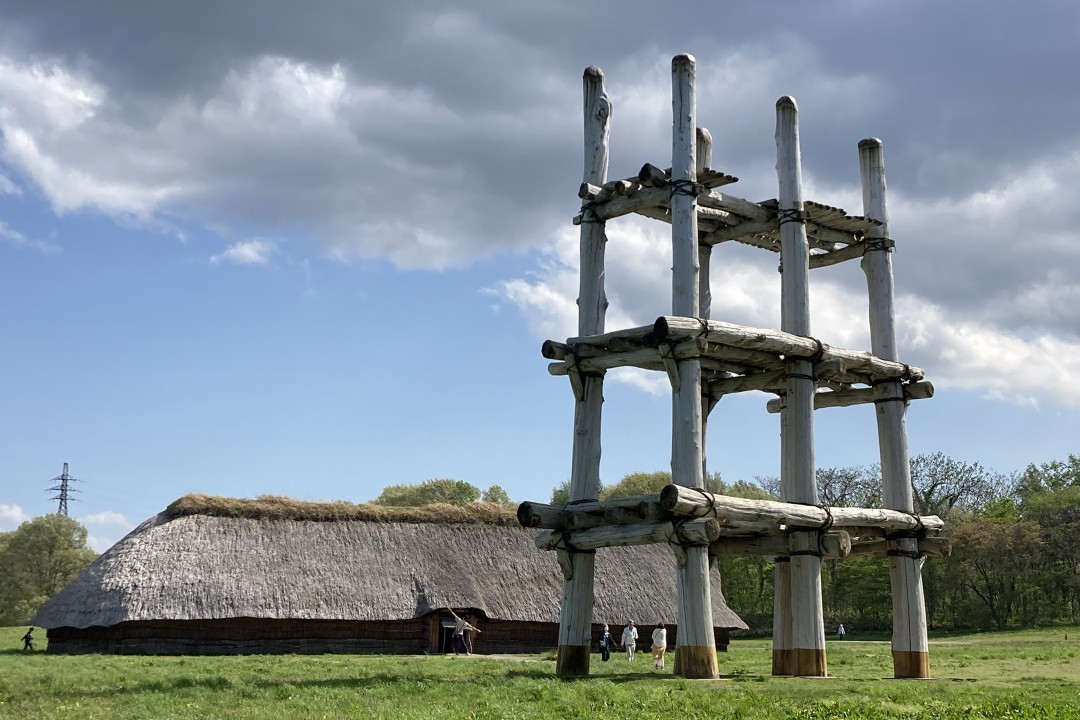
To the Site of Japan's Largest Settlement. The Scale of Buildings is Off the Charts.
The UNESCO World Cultural Heritage site, "Jomon Prehistoric Sites in Northern Japan," includes 17 sites dotted across four prefectures and is a source of pride for Aomori., includes 17 sites dotted across four prefectures. Aomori Prefecture is the Tohoku region's largest treasure trove of ruins, boasting eight of these sites, the highest number. Furthermore, Aomori City has two major sites: the Sannai-Maruyama Site, the remains of one of Japan's largest settlements, and the Komakino Site, famous for its stone circles (環状列石, kwanjō-resseki). We introduce a journey to experience the ancient culture of the Jomon people, who procured food through gathering, fishing, and hunting, lived in groups in settlements, worshipped nature, and left behind many tools for matsuri (rituals/festivals) based on their unique spiritual world.
The first site to visit is the Sannai-Maruyama Site, the largest Jomon settlement ruin in Japan, located about a 15-minute drive from Aomori Station. Here, major discoveries defied conventional wisdom. One was that an estimated 500 people lived in this settlement. Maintaining a village becomes increasingly difficult as it grows, so the very existence of a village of this scale was unexpected. There are over 700 pit dwelling remains, some of which are large buildings thought to be assembly halls, up to 32 meters long. It is also known that they constructed enormous buildings, such as watchtowers, using six logs, each one meter in diameter. This is the largest-scale ruin in Japan, showing the continuous life of a large village.
At the hands-on workshop located inside the adjacent Jomon Jiyukan, visitors can easily experience making various crafts modeled after the dogū (clay figures) and daily items excavated here. The abundance of workshop menus, including mini dogū, Jomon pouches, woven cloth (angin) coasters, and reconstructed amber pendants, is exciting. With more than five types of workshops available daily without reservation, it is a haven for Jomon fans. Even just the experience could make for a fun day out.
- 1
- 2
Recommended Articles
-
2025/11/27
Aomori City / Jomon Mysteries and Massive Ruins: A Journey to Contemplate the Eons.
-
Winter Festivals
2024/11/01
Morioka City/ A solemn “naked visit” to pray for good health and a prosperous year.
-
Winter Life
2022/12/28
Aomori City/Sukayu Onsen, a secret hot spring that continues to preserve the culture of hot springs, and the frost-covered trees of Mt. Hakkoda
About the Writer
writer
Shoko Monma